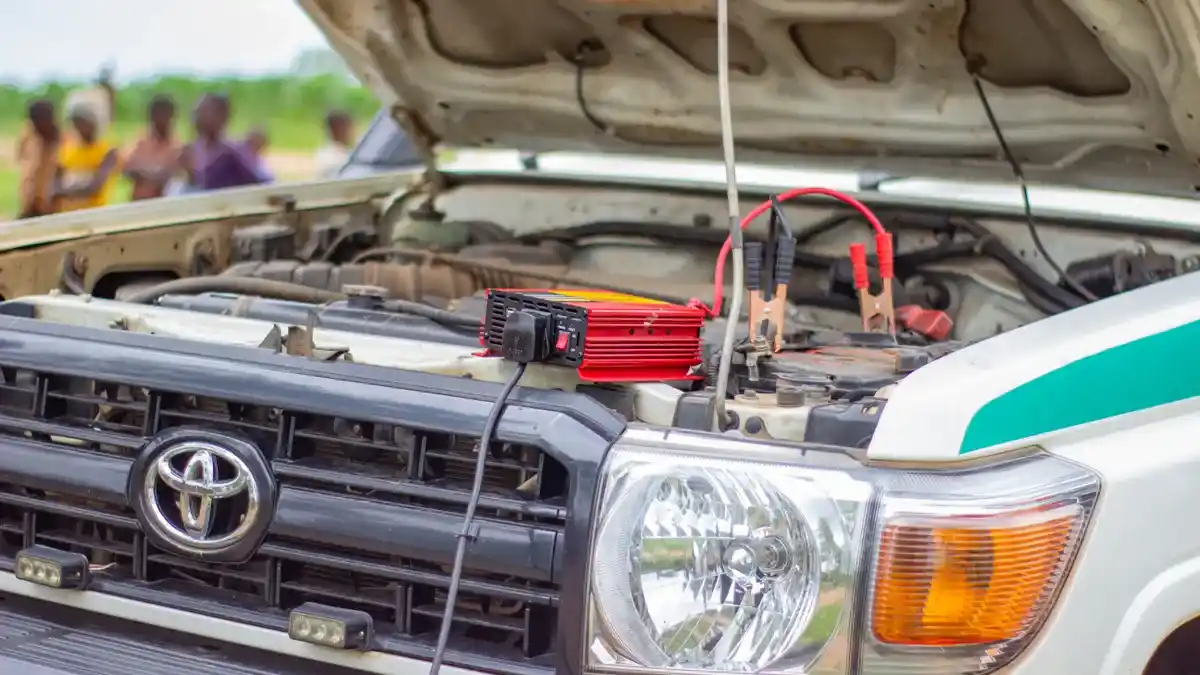
LiFePO4 vs Lithium-Ion Jump Starters: Technical Chemistry Comparison: LiFePO4 is the safer default for jump starters, while lithium-ion NMC is the better…
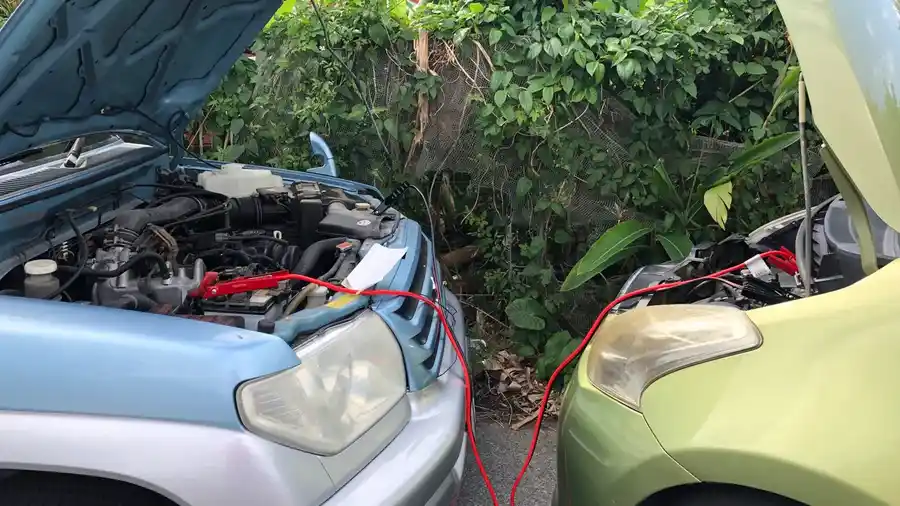
Can You Safely Jump Start a Vehicle in Heavy Rain
Yes, you can usually jump start a vehicle in heavy rain safely if the battery area is not flooded and the terminals are dry enough to clamp securely. This…
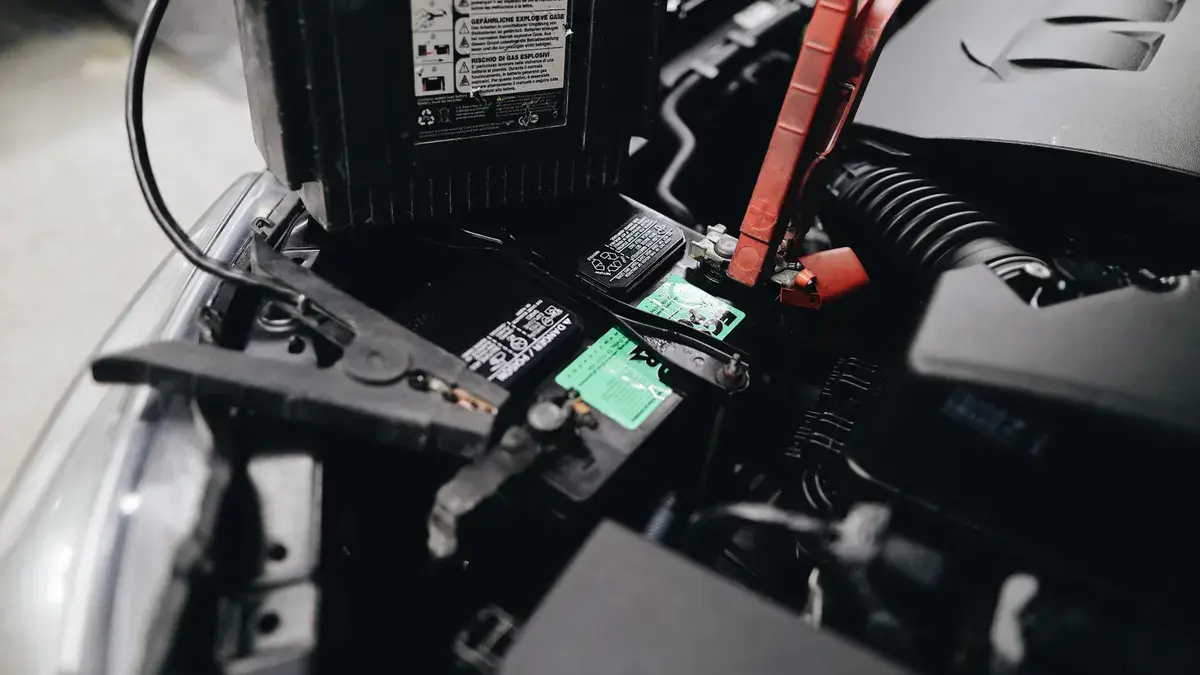
How to Jump Start a Diesel Truck with Dual Batteries
Your diesel truck with dual batteries won’t crank because the parallel 12v system needs enough current at the starter, and low temperatures or glow plugs…
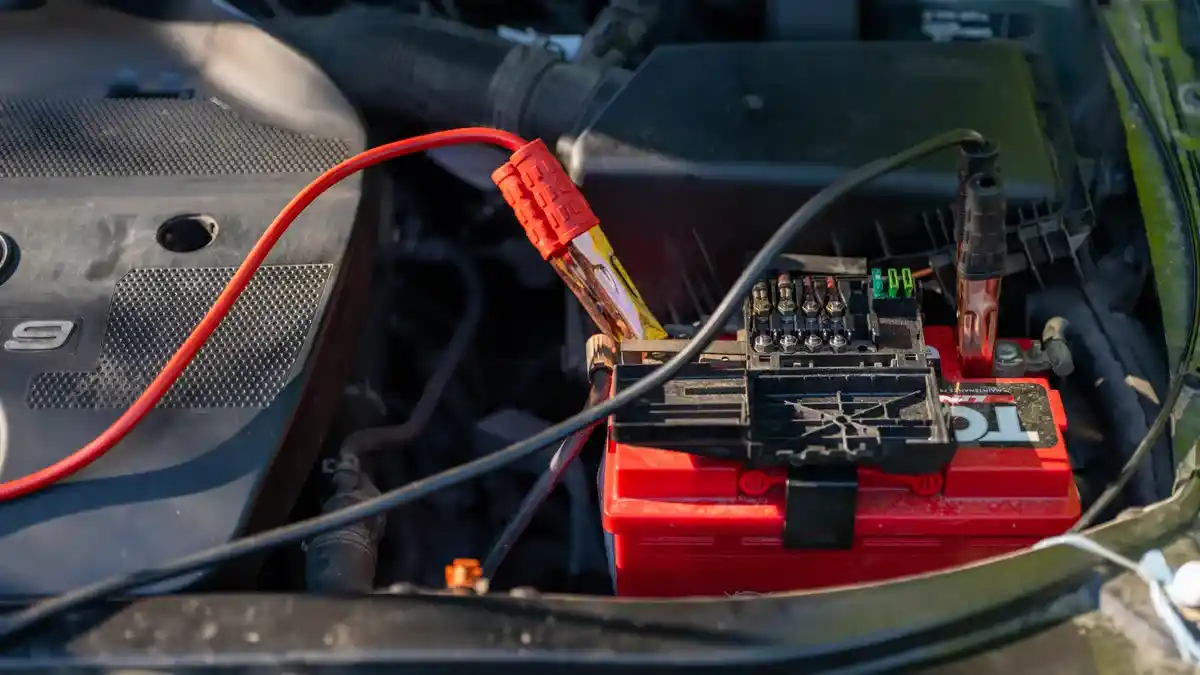
Safe Temperatures for Storing Jump Starters in Vehicles
Your quick answer: keep a jump starter near 20°C to 25°C when possible, and treat the Safe Temperatures for Storing Jump Starters in Vehicles range on the…
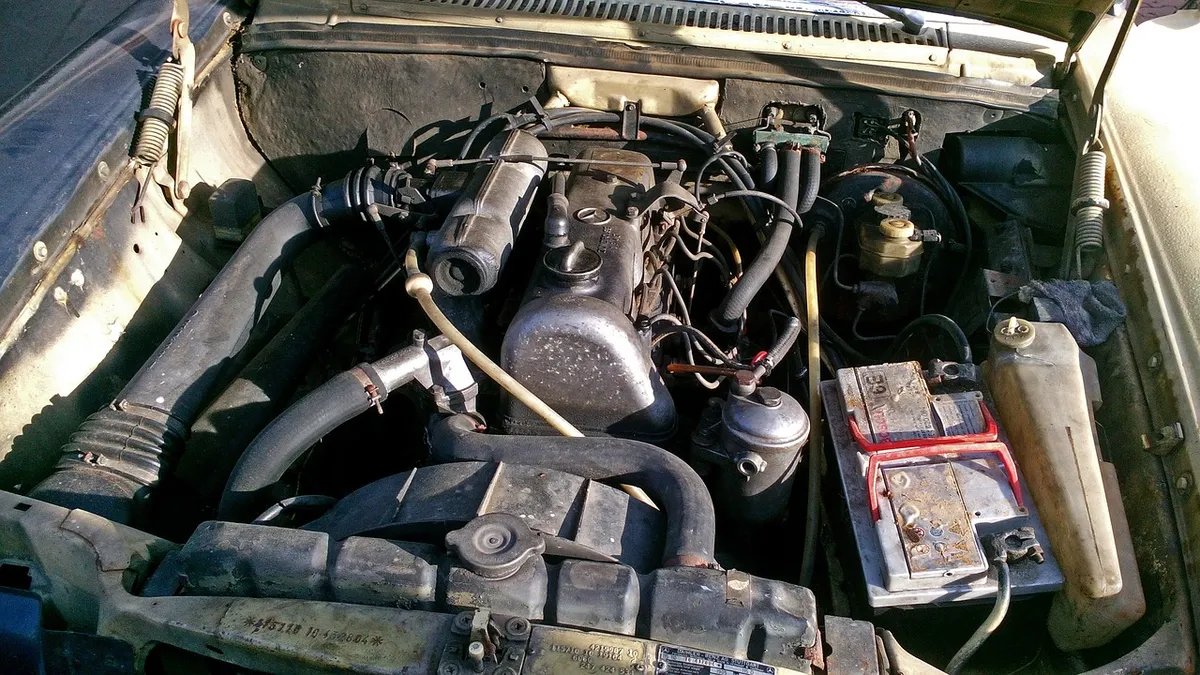
Jump Starter Won’t Start the Car? Here’s How to Tell Why
Separate device-side causes like low charge or a safety lockout from vehicle-side causes like a dead battery, so you know what to check and fix first.
Jump Starter Won’t Hold a Charge: Why It Happens
Heat and full-charge storage both shorten a lithium jump starter’s life. Learn the storage charge range and recharge schedule that helps it last longer.

Jump Starter Beeping or Flashing? What Each Signal Means
A solid red light often means reverse polarity, blinking red can mean overheating, and no light may mean low voltage. See the sourced decoder table.
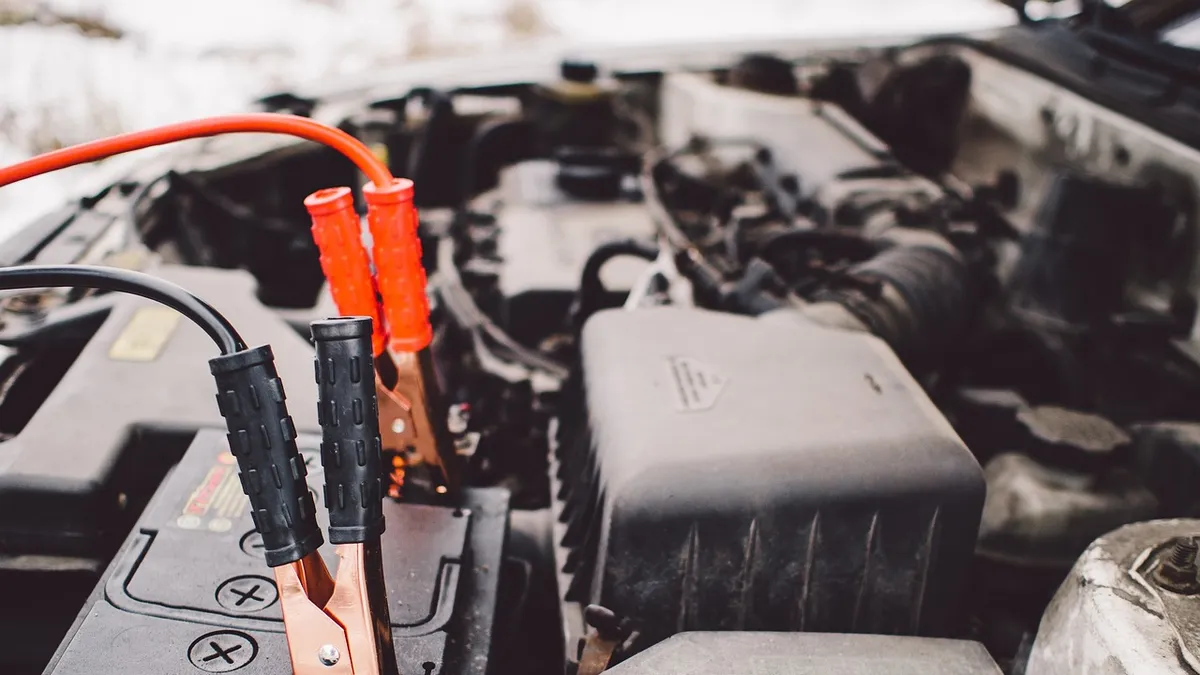
How to Use a Jump Starter the Right Way (Step by Step)
Connect red to positive, black to a ground point, start the car, then reverse the order. The exact steps, safety warnings, and a printable checklist.
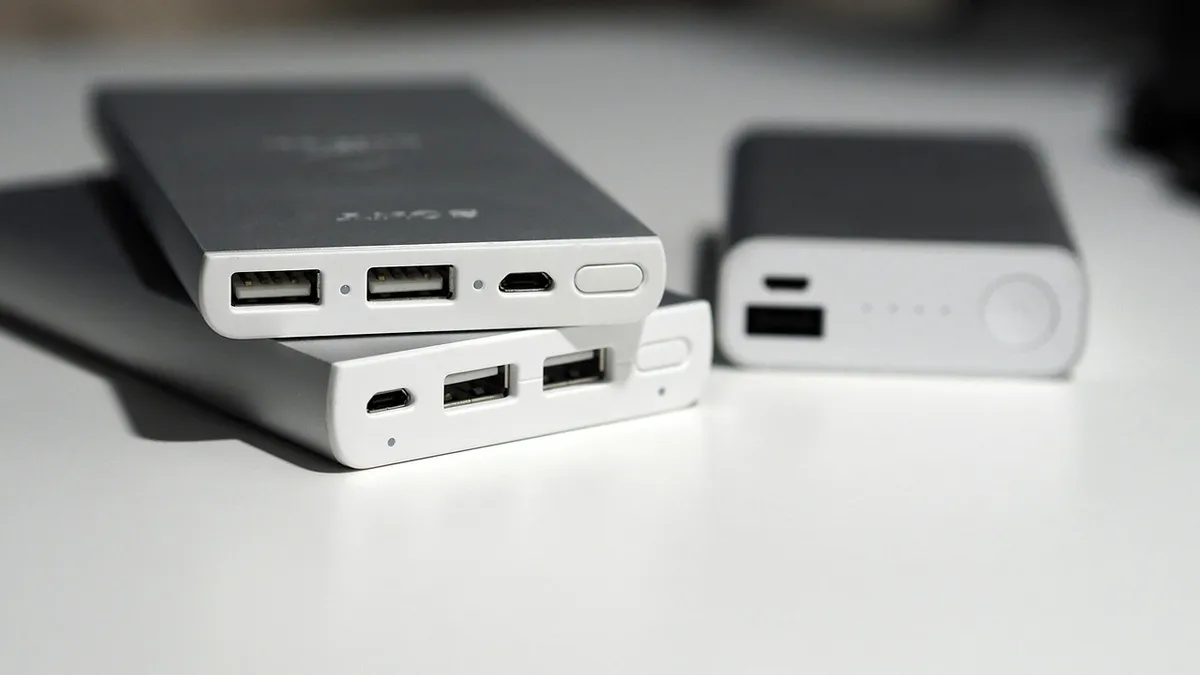
How Long to Charge a New Jump Starter Before First Use
Lithium jump starters need 3-12 hours to fully charge before first use, depending on charger amperage. See the sourced charge-time table and storage tips.
Jump Starter Not Charging? Step-by-Step Fixes
Try these fixes in order: check the cable and port, rule out a deeply discharged cell, and know when a jump starter needs professional support instead.