Last updated: November 14, 2026
Quick answer: yes, you can usually jump start a vehicle in heavy rain safely if the battery area is not flooded and the terminals are dry enough to clamp securely. This guide on Can You Safely Jump Start a Vehicle in Heavy Rain shows the checks, the order of steps, and the red flags that matter.
Key Takeaways
- Rain on the body of the car is not the same as water across the battery terminals.
- A 12-volt DC car system is not likely to shock you through normal rain, but wet metal can still cause a bad connection or a spark.
- The bigger problem is water intrusion at the battery area, corrosion on the terminals, or a jump pack that is not rated for wet use.
- Keep clamps dry, stand on dry ground if you can, and do not let the positive clamp touch anything metal it should not.
- If the battery well is flooded or the jump pack or cables are soaked, wait for a drier spot or get help.
Can you safely jump start a vehicle in heavy rain?
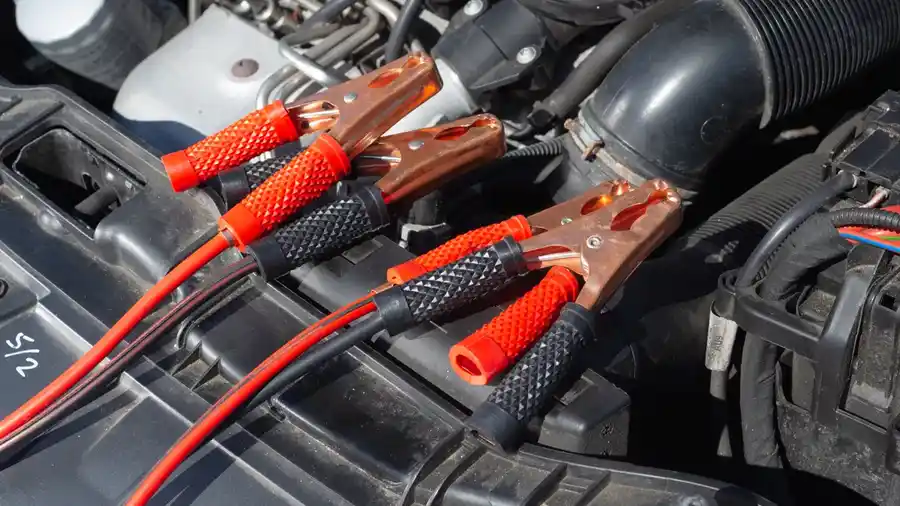
Yes, you can usually jump start a vehicle in heavy rain if you avoid standing water around the battery and keep the clamps from touching each other or the body of the car. A normal car battery is 12-volt direct current, and the shock risk from rainwater alone is low; the real danger is a short circuit, a poor clamp connection, or wet equipment. For the safety basics, consult your owner’s manual and a roadside professional if the battery area is flooded. The National Highway Traffic Safety Administration explains that vehicle electrical systems are low-voltage, but bad connections still matter. NHTSA
Picture this: you’re in a parking lot, it’s pouring, and your car will not crank. You still need a fast answer, not a lecture. The key is to treat the rain as a handling problem, not as a reason to panic, but if the battery area looks unsafe, pause and call for help. AAA roadside assistance advises caution around battery connections.
A few facts keep the fear in check:
- Rainwater is not a great conductor compared with the path through a cable and metal clamp.
- Human skin has much higher resistance than the car’s wiring path when dry, and even wet skin usually does not turn a car battery into an electrocution trap by itself.
- The battery can still spark if a clamp slips, bridges two terminals, or lands on a grounded metal part.
What changes in heavy rain is the margin for error. Slick hands, wet clamps, and puddles near the front of the car make it easier to make a mistake. That is why the procedure matters more than the weather.
The short answer: if the battery area is only wet from rain, and the terminals are dry enough to clamp securely, the jump start is generally safe, but if you are unsure, consult a professional. If water is pooled in the battery tray or the terminals are submerged, stop and let the area dry out first.
What rainwater changes around the battery
Rainwater is usually the bigger problem for connections than for shock. If water gets between a clamp and a corroded terminal, the connection can arc, slip, or fail to carry enough current to crank the engine. For a deeper look at corrosion and battery care, see our car battery maintenance guide and jump starter buying guide.
Picture this: you lift the hood and see droplets on the battery case, a damp terminal, and a bit of white crust on the post. That crust is terminal corrosion, and rain can make it worse by letting moisture sit on exposed metal.
Here’s the catch: corrosion and moisture do not just make the jump start harder. They can also create heat at the clamp, which is why a jump that should take a minute turns into repeated failed attempts. A weak connection can sound like a tired click, a slow crank, or nothing at all.
Use this quick field check before you clip anything on:
- Look for pooled water around the battery tray, fuse box, or cable ends. A light wet sheen is one thing; pooled water is another.
- Check the terminals for green or white buildup. Heavy corrosion means the clamp may not bite metal well.
- Inspect the cable insulation for cracks or exposed wire. Water on damaged insulation raises the chance of a short.
- Wipe the contact points with a dry cloth if you have one. You want the post and clamp face as dry as you can get them.
- Move the jump pack or donor car cables so they do not lie in a puddle or drag through wet mud.
That last part matters more than people think. The clamp metal itself can handle moisture. The weak point is the contact surface and the chance of an accidental bridge between the positive clamp and a grounded metal part.
If the rain is blowing sideways and the engine bay is open to a lot of splash, it may be wiser to wait until the spray eases before starting. The job gets easier when the water stops moving.
How to jump start a car in wet conditions
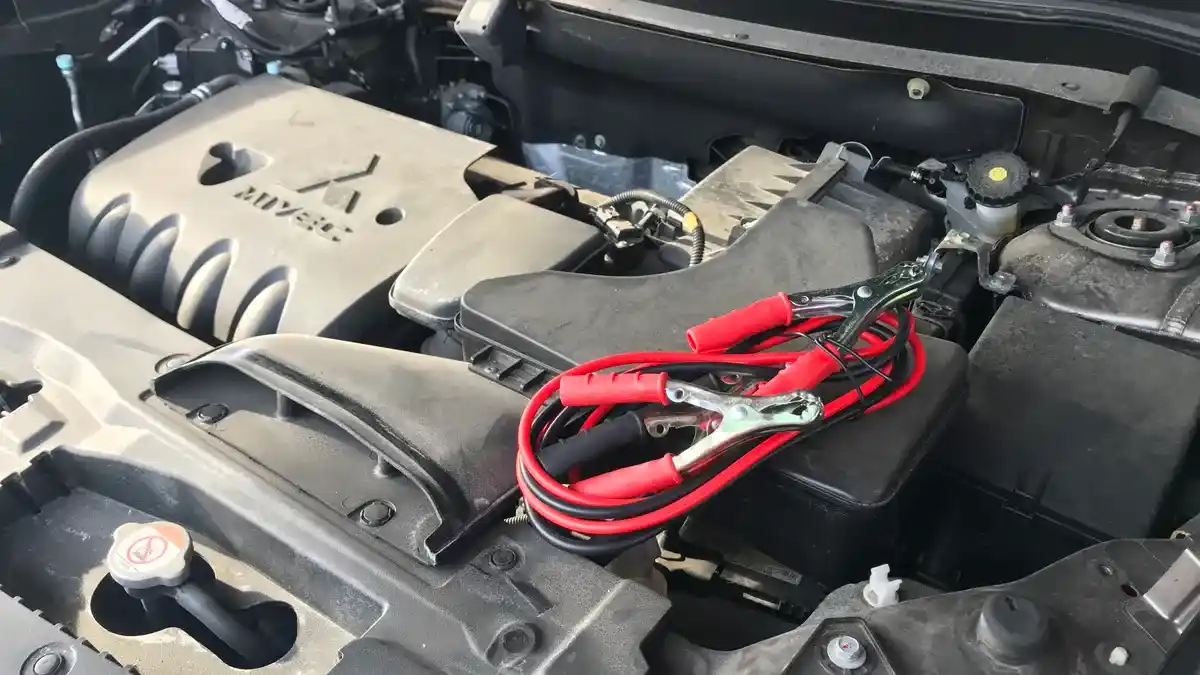
You can jump start in wet conditions by keeping the battery area dry enough to grip, following the clamp order carefully, and stopping if anything arcs, slips, or smokes. The sequence matters because one wrong touch can turn a simple no-start into a blown fuse or a damaged battery.
Picture this: you have jumper cables in one hand and a donor car or jump pack in the other, but the hood is wet and your sleeves are damp. You need a calm sequence, not guesswork. The steps below keep the live clamp away from metal until the end.
- Park the vehicles close without touching. Put them in park or neutral with the parking brakes set. This gives the cables enough reach and keeps the cars stable on slick pavement.
- Shut both vehicles off. Turn off lights, fans, and the radio. You want the electrical load as low as possible.
- Open the hood and find the battery posts. If the battery is buried under a cover, follow the owner’s manual for the jump points.
- Dry the terminal tops if you can. A towel, glove, or dry rag helps. You do not need bone-dry metal, just less surface water.
- Attach the red clamp to the dead battery’s positive post. Clamp onto solid metal, not a loose corroded edge.
- Attach the other red clamp to the donor positive post or jump pack positive terminal. Keep the clamp jaws away from the body of the car.
- Attach the black clamp to the donor negative post or recommended ground point. If the vehicle manual specifies a ground point, use it.
- Attach the last black clamp to a clean, unpainted metal ground on the disabled vehicle. Keep it away from the battery itself if the manual calls for a ground point.
- Start the donor vehicle or activate the jump pack. Wait a short moment, then try the dead vehicle.
- Crank for a few seconds only. If it does not start, stop and recheck the clamps instead of grinding the starter.
- Remove the clamps in reverse order. Keep each clamp from touching another clamp or any metal body part while you pull it off.
- Close the hood and let the car run. A short drive helps the battery recover.
A few practical limits make this safer:
- Do not kneel in a deep puddle while handling the clamps.
- Do not let the red and black clamps touch.
- Avoid clamping onto a wet, crusty terminal unless you can clean the contact point first.
If the battery area is obviously flooded, the jump start is no longer a basic roadside task. That is a different problem, and roadside assistance is the better call.
Will you get electrocuted jump starting a car in the rain?
No, you are unlikely to get electrocuted from a normal jump start in the rain if you handle the clamps correctly and avoid contact with damaged wiring. A 12-volt system does not usually push current through intact human skin the way household mains power can. If you are worried about exposed parts or a damaged battery, consult a professional before touching anything.
Picture this: your first instinct is to step back because you’re wet and the battery is exposed. That instinct is good, but the real risk is not the rain itself. The risk is a direct short, a slip of the clamp, or touching a metal path you should not.
The physics here are simple enough to keep in mind. Water on the outside of the car does not create a magic current path into your body. Human skin, even when damp, still presents much more resistance than the intended path through thick cables and a starter circuit. The danger goes up if:
- you have cuts or soaked skin,
- you touch both terminals,
- a clamp falls across metal and sparks,
- or the battery case is cracked and leaking.
That said, “low shock risk” is not the same as “no risk.” A battery can still throw a spark, and sparks plus a hydrogen-rich battery area are not something to treat casually. That is why you keep the last clamp away from the battery until the end and make the final connection to a clean ground point when the setup calls for it. If the situation looks unstable, a qualified technician should handle it.
If you smell a strong rotten-egg odor, see a cracked battery case, or notice hissing, stop. Those are not normal wet-weather quirks.
Portable jump box water resistance rating: what matters
An IP65 waterproof rating means a jump box is designed to resist dust and low-pressure water jets, but it does not mean you should soak it, drop it in a puddle, or leave its clamps sitting in runoff. The rating tells you how much wet exposure a device can handle; it does not erase common sense.
Picture this: you keep a compact jump starter in the trunk and pull it out during a storm. The box itself may be fine, but the clamp leads, ports, and seals still need care. A jump pack is only as useful as its weakest exposed opening.
Use these checks before you trust a portable unit in rain:
- Read the rating on the unit. If it does not list a weather or ingress rating, assume it needs dry handling.
- Keep the ports closed until the cables are ready to connect.
- Do not set the pack in a puddle or on wet gravel where splash can reach the ports.
- Wipe the clamps dry before storage so corrosion does not build on the jaws.
- Inspect the cable jacket for cuts that could let moisture in.
This is where a generic article often goes wrong. It says “portable jump starters are safer,” which is too broad. A pack with a rated enclosure is more forgiving than bare jumper cables, but it still needs dry contacts and sane placement. The battery pack, the cable ends, and the car terminals each have different wet-weather limits. For specs and ratings, check the manufacturer page and our portable jump starter review roundup.
If your jump box has exposed USB ports, a cracked case, or a loose cap over the charging jack, do not treat it like a weatherproof tool. If you are unsure whether it is safe to use, consult a professional or replace the unit before relying on it in a storm. A more sealed model is the better fit for a driver who keeps a jump starter in the trunk year-round and may need it in bad weather.
Common mistakes in the rain that cost you time
The common mistakes are simple, and each one costs either time, a failed start, or damage to the electrical system. Heavy rain makes these errors easier to make because your hands slip and the battery area is harder to see.
Picture this: you connect the clamps fast because you want the job done before the next downpour hits. That speed can be the mistake. Wet-weather jump starts punish rushed hands.
The biggest errors I see are these:
- Skipping the terminal check. Corrosion under a wet clamp can keep the car from starting at all.
- Letting a clamp rest on painted metal. Paint is not a good contact surface, so the current path weakens.
- Using soaked cables with cracked insulation. That invites a short and a nasty spark.
- Leaving the clamps connected while the car is off and parked. The system stays live longer than needed.
- Working in standing water. That makes footing worse and turns a simple task into a slip hazard.
What to do instead is plain:
- Dry the posts first.
- Keep the clamps apart until each one is placed.
- Use the correct order for positive and negative connections.
- Remove the clamps as soon as the engine runs.
- If the car still will not start after a brief attempt, stop and look for a bad connection rather than cranking harder.
The truth is, rain does not usually defeat the jump start. Sloppy technique does. A clean clamp on a wet-but-not-flooded terminal still works far better than a rushed connection on corroded metal.
When to stop and wait for better conditions
You should stop and wait if the battery area is flooded, the battery case is damaged, or the rain is so heavy that you cannot keep the clamps and your footing under control. Those are not minor inconveniences; they are signs the situation has moved beyond a normal roadside jump.
Picture this: water is running through the engine bay, your shoes are sliding on slick pavement, and the battery posts are partly submerged. That is the point to pause. A jump start needs access and control, not bravery.
A few clear stop signs:
- Water above the battery tray
- Cracked battery case
- Visible smoke, hissing, or bubbling
- Melted insulation on the cables
- A jump pack or cable set with wet, damaged ports
- No dry ground to stand on while handling the clamps
If you hit any of those, a tow, roadside assistance, or a dry shelter is the safer move. This is not overcaution; it is basic electrical housekeeping.
For a wider set of vehicle-specific jump starting steps, the hub page on vehicle jump starting procedures should sit next to this guide.
Will you get electrocuted jump starting a car in the rain?
No, not from normal handling of a 12-volt car battery and jumper cables, as long as the equipment is intact and you do not touch the wrong points at the same time. The bigger danger is a short circuit or a spark, not a household-style electric shock. Wet hands and damaged cables raise the risk, so dry the contact points and keep the clamps controlled. If the battery or cables look damaged, have a professional handle it.
Can rain water short out a 12v car battery?
Yes, rain water can help create a short if it bridges the battery terminals or gets into damaged cable ends, but simple rain on the outside of the battery usually does not short it by itself. The real problem is water mixed with corrosion, loose clamps, or cracked insulation. Keep the terminals as dry as practical and avoid standing water around the battery area.
Drafted with AI; not yet reviewed by a person.