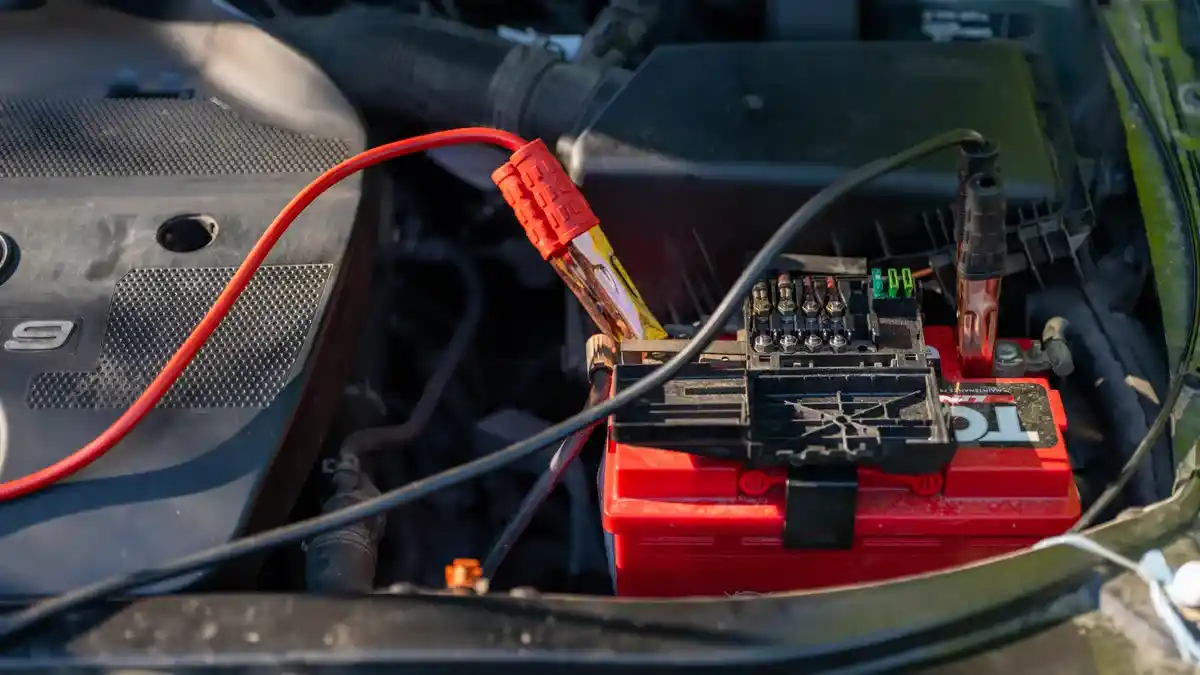
Last updated: November 14, 2026
Key Takeaways
- Cabin storage is usually safer than trunk storage in summer, but both can still get hot enough to shorten battery life.
- Many lithium packs prefer room-like conditions and dislike big overnight-to-daytime temperature swings in a vehicle.
- Long hot-car storage can stress lithium cells and protection circuits, so move the unit indoors when you can.
- Cold weather can weaken a starter’s output, then the pack may recover after it warms up.
Your quick answer: keep a jump starter near 20°C to 25°C when possible, and treat the Safe Temperatures for Storing Jump Starters in Vehicles range on the label as the real limit—not the weather outside. If the manual is unclear, consult the manufacturer or a qualified technician before relying on car storage. Keep it near room temperature when you can, and treat the operating temperature range on the label as the real limit—not the weather outside.
This guide settles what counts as safe storage in a car, truck, glove compartment, or trunk, and what to do when summer heat or winter freeze pushes the pack outside its comfort zone. For battery-specific guidance, consult the maker’s manual and the product page before you store it in a vehicle.
What safe storage means for a jump starter in a vehicle
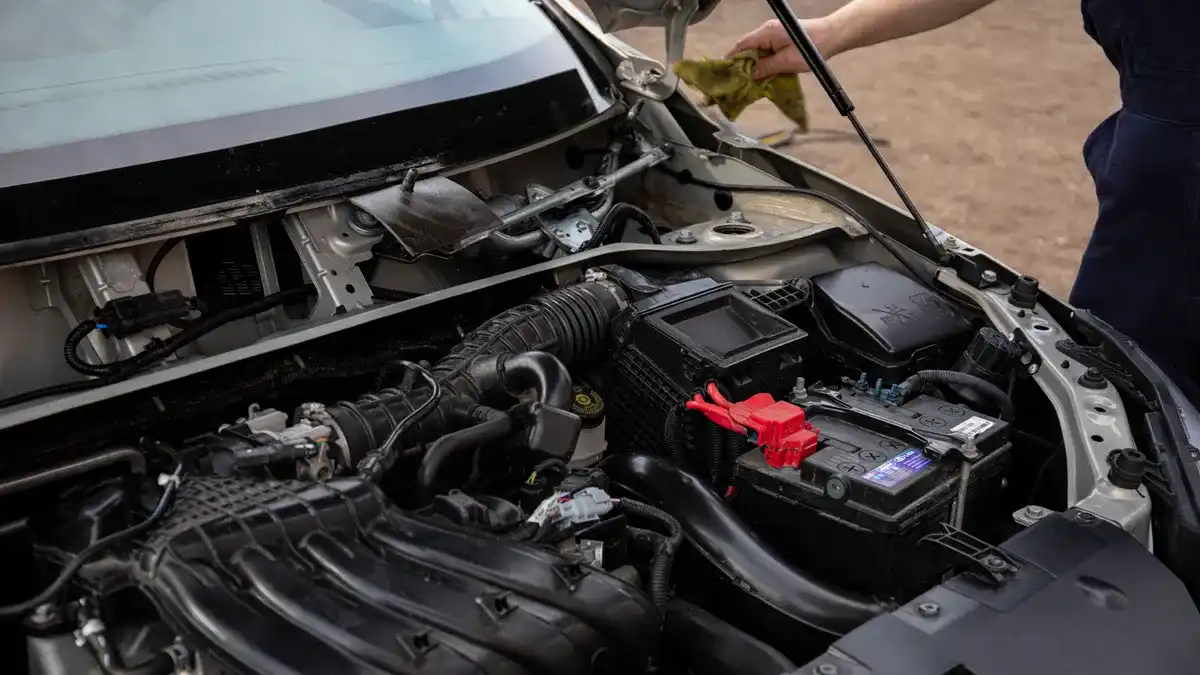
Safe storage means keeping the pack close to the temperature range listed by the maker, away from heat soaking and freezing, and out of places where temperature swings pile up fast. A glove compartment is usually better than a trunk in summer, but both can still get hot enough to shorten battery life or trigger protection circuits. In vehicle terms, that usually means staying near room temperature, not near dashboard heat.
Picture this: you’re parking in July, the dashboard feels like an oven, and the jump starter is riding in the trunk all day. That setup is not the same as room-temperature storage, even if the car is shaded. The pack is being baked by cabin heat buildup and slow ventilation, and that is the real risk.
- Car interiors can climb far above the outside air temperature.
- Trunks often trap heat longer than the cabin.
- Lithium packs lose usable output in cold weather before they are truly damaged.
The safest habit is to store the unit where temperatures stay moderate, move it indoors when a cold snap or heat wave is coming, and check the maker’s storage range before you trust the label alone. For a broader checklist, the hub guide on portable jump starter maintenance covers routine care.
What temperature range should I aim for?
Aim for the jump starter’s stated storage range, and if you do not have that in front of you, keep it around typical indoor temperatures rather than in a hot cabin or frozen car. Many lithium packs are happiest near normal room conditions; they do not like sitting in a vehicle that swings from below freezing overnight to hot sun by noon. The Battery University guidance on lithium-ion storage is a useful reference point here.
The truth is, there is no single universal number that fits every model. One brand may allow a wider range than another, and the battery management system may still protect the pack before damage starts.
Before you store a jump starter in a vehicle, check these three things:
- The storage range in the manual or on the product page.
- The charging range, which can differ from storage.
- The operating temperature range, which tells you when the unit can actually deliver power.
If you only remember one rule, make it this: storage should be gentler than use. A pack that can briefly operate in cold weather still may not be happy living there overnight for weeks. For comparison, the portable jump starter maintenance page explains why routine checks matter even when the pack seems fine.
Is it safe to leave a jump starter in a hot car?
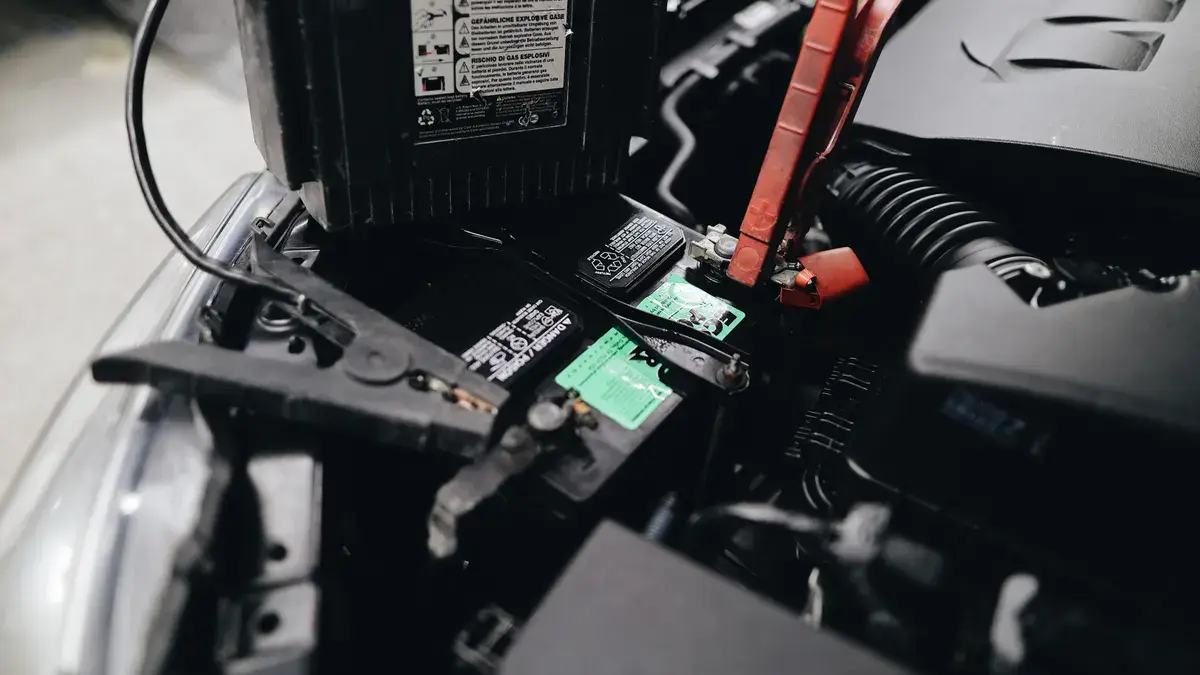
No, not for long stretches, because trunk heat buildup and cabin heat can push the pack into a range that stresses lithium cells and protection electronics. A parked car in summer is one of the harshest places for portable power gear, especially if the jump starter sits in direct sun, near metal panels, or against other warm items. Consumer Reports has also noted how quickly vehicle interiors heat up in sun.
Here’s the catch: heat does not always kill the pack right away. It can also age the battery faster, swell the cells in bad cases, and make the next charge behave oddly. Some packs will simply shut down or refuse to charge until they cool, which is a warning sign, not a feature.
A hot-car setup is hardest on jump starters that stay in these spots:
- Rear trunk corners with no airflow.
- Under-seat storage that catches exhaust or floor heat.
- Closed glove compartments on a sunny dashboard side.
The better move is to treat a jump starter like electronics you would not leave in a closed oven, and if you are unsure, consult the manufacturer’s storage guidance before leaving it in the vehicle. If the car is going to sit in hot sun for hours, bring the pack inside. If that is not possible, at least move it away from the trunk floor and out of direct light.
What happens when a jump starter freezes in winter?
A jump starter can still be stored in a cold car for a short time, but a frozen car winter setup lowers output and can make the pack act weak even when it is not broken. Lithium chemistry slows down in the cold, so the starter may show a charge, then sag hard when you try to crank an engine. The U.S. Department of Energy notes that lithium batteries lose performance in low temperatures.
Picture this: you’re at 6 a.m., the dash reads well below freezing, and the jump starter has been in the car overnight. It may light up and still fail to deliver the current your engine needs. That is not always permanent damage; it is often the battery’s cold chemistry speaking.
Cold storage risks show up in a few ways:
- Slower discharge and weaker crank power.
- Longer time needed to recover after charging.
- Protection circuits that block output until the pack warms up.
If you must keep one in the car during winter, let it warm inside the cabin or indoors before relying on it. A few minutes on the seat can help in mild cold, but deep freeze needs more time. Never assume that a full charge on the display means full starting power in subfreezing weather.
How to store a jump starter in a vehicle the right way
Store it in the most temperature-stable spot you have, keep it dry, and check it often enough that heat or cold never surprises you. A small pouch in the cabin beats a loose pack rolling around in the trunk, especially if the vehicle sees daily sun or overnight frost.
The best part? This is mostly about habits, not gear.
- Put the jump starter in the cabin first, not the trunk, if the car will sit in sun.
- Avoid the dashboard, rear window shelf, and other places that soak up direct heat.
- In winter, keep it in a spot where the cabin warms sooner than the trunk.
- Do not leave it next to heaters, defroster vents, or metal cargo that gets hot or cold fast.
- Check the charge and physical case every few weeks, looking for swelling, odd smells, or cracked plastic.
- Move it indoors before a long heat wave or hard freeze if you can.
A simple storage routine beats heroic rescue work later. If the pack is always where the car is hottest or coldest, you are asking it to age fast. If it lives in a moderate pocket of the vehicle and gets periodic checks, it will usually behave better. For a deeper maintenance routine, see portable jump starter maintenance.
How do heat, freezing, and thermal runaway connect?
Heat is the main thing that raises the chance of battery failure, and extreme heat is what makes thermal runaway prevention worth taking seriously. Thermal runaway is the dangerous chain reaction lithium batteries can enter when internal temperature climbs too high; it is rare, but the goal is to stay far away from the conditions that can start it. The National Fire Protection Association has detailed lithium-ion safety guidance on this risk.
The storage lesson is plain: do not cook the pack, do not crush it, and do not keep using a damaged one. A jump starter that is hot to the touch after sitting in a car may just be overheated, but a swollen, leaking, or badly deformed pack should not go back into normal service.
Use these habits to stay on the safe side:
- Keep the pack shaded and away from insulated heat traps.
- Never cover it with blankets or heavy cargo while it is hot.
- Do not charge it if the case looks bloated or smells unusual.
- Let a cold pack warm up before asking it to deliver starter current.
For a deeper maintenance routine, the hub guide on portable jump starter maintenance belongs next in the learning path, because storage is only one part of keeping the unit ready.
Signs the storage temperature has been too extreme
You can usually spot temperature abuse before the jump starter fails completely, and those signs matter more than any guess about the exact degrees inside the car. A pack that was stored too hot or too cold may still power on, but it can behave strangely during charge or discharge.
Picture this: you’re checking a unit after a week in the car, and the case feels warped, the indicator jumps around, or the clamps seem fine while the pack refuses to start an engine. That is a warning, not bad luck.
Watch for these clues:
- The case looks puffed, bent, or cracked.
- The pack charges unusually fast or unusually slow.
- The indicator flashes errors after sitting in the vehicle.
- The starter works indoors but fails in the car.
- The plastic smells hot, sharp, or chemical.
If any of those show up, stop treating the pack like normal cargo. Move it indoors, let it rest at room temperature, and inspect it before you rely on it again. If the case is swollen or damaged, replacement is the safer path.
The practical rule for cars, trunks, and glove compartments
The best storage spot is the one that stays closest to indoor temperatures, which usually means the cabin over the trunk and a shaded pocket over direct sun. A glove compartment can be fine if it does not turn into a heat box, but a trunk in August or an unheated car in January is a poor long-term home.
The truth is, the vehicle itself is the problem. Parked cars amplify weather, and jump starters do not like that amplification. A small change in parking habit—shade, indoor storage, or taking the unit out on extreme days—does more good than any sticker or case. For related storage basics, the portable jump starter maintenance page is a useful next stop.
Use this simple rule:
- Mild weather: vehicle storage is usually acceptable if the pack stays in its range.
- Hot weather: avoid long trunk storage and direct sun.
- Cold weather: expect weaker output and warm the pack before use.
If you want a one-line answer, here it is: store a jump starter in a car only when the vehicle temperature stays within the maker’s safe range, and move it indoors when heat or freeze pushes past that.
Is it safe to leave a jump starter in a hot car?
Not for long periods. Hot cabins and trunks can push a lithium jump starter outside its safe storage range, which can stress the battery and shorten its useful life. Consumer Reports has documented how vehicle temperatures rise quickly in sun.
Short trips in warm weather are one thing, but parked-in-sun storage is another. If the car will sit through a hot afternoon, the safer choice is to take the unit inside.
Will cold weather ruin a portable jump starter?
Cold weather usually weakens output first, and that weakness may go away after the pack warms up. A jump starter stored in a freezing car may still be usable, but it can fail to deliver enough current until it returns to a moderate temperature.
Long exposure to severe cold is not ideal, especially if the unit is already old or partly damaged. Warm it before relying on it, and avoid leaving it in the car for extended cold spells.
Drafted with AI; not yet reviewed by a person.
2 thoughts on “Safe Temperatures for Storing Jump Starters in Vehicles”